

This is Chapter 6 of an ongoing work.
I hadn’t thought about the dog in years. Not until my dad brought it up at Christmas like it was trivia.
“Didn’t we have a dog back then?” he said, buttering a roll. “What was her name… Missy?”
I almost choked on my wine. How did he do this every holiday? Drop something meaningless to him but shattering to me.
Across the table, Patrick gave me the look — the don’t-do-this-right-now-it’s-Christmas look. Then the under-the-table nudge. I didn’t kick back. I barely blinked. I didn’t answer. Couldn’t.
Missy. Yeah. We had a dog. Right after the accident. Right after the funeral. Right after the world went permanently quiet.
It was Uncle Paul who suggested it — said a puppy might help. He’d grown up with dogs: Tags, the retriever my grandfather used to sit me on like a horse, and Caesar, a schnauzer of his own. Paul thought maybe loving something new could hold together what had fallen apart.
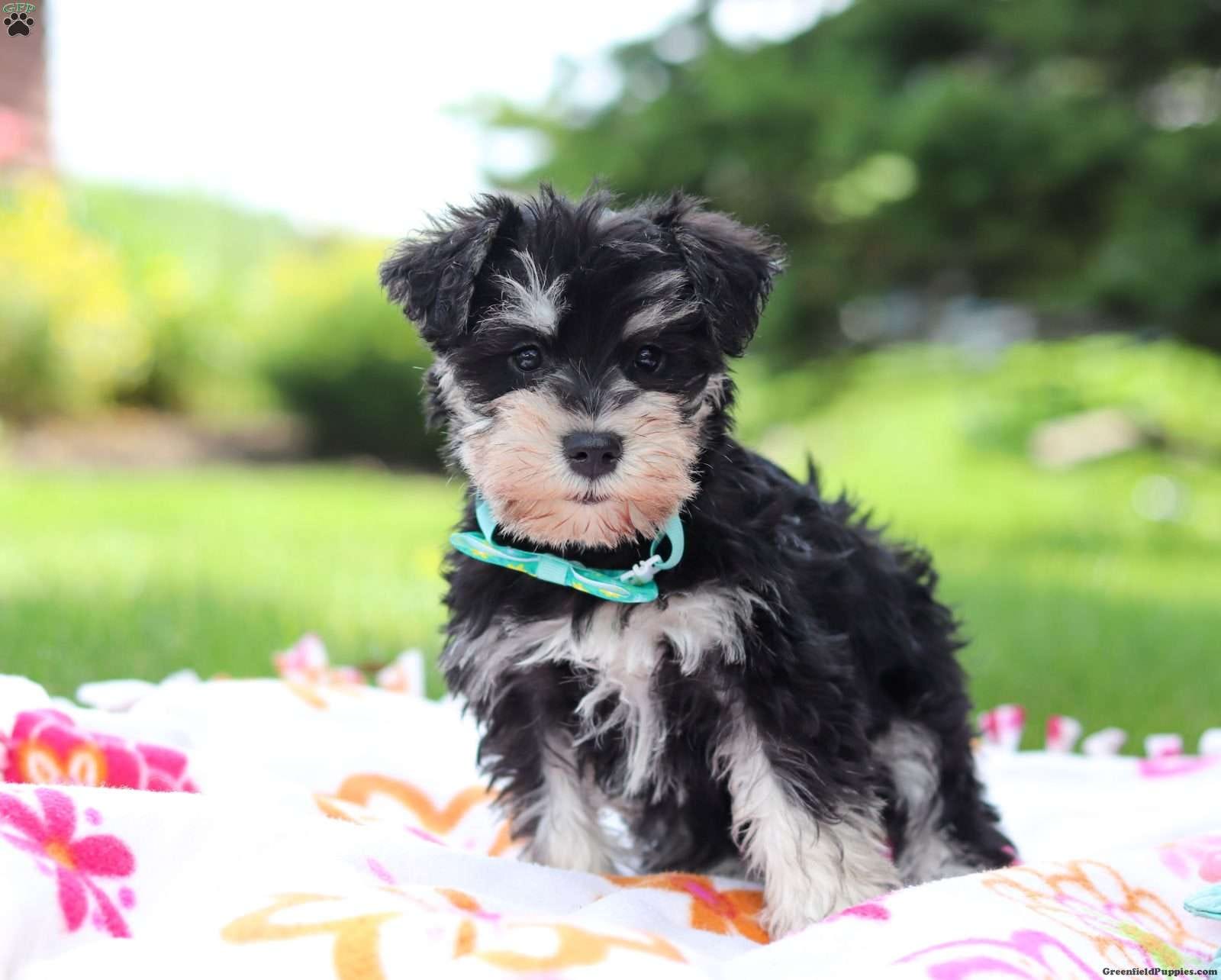
So we got a mini schnauzer. Missy. Wiry fur. Sharp puppy teeth. Big, liquid eyes that followed me everywhere. Kara and I named her — probably from some sitcom we half-watched with Grandma.
Even then, the naming mattered. It made her real in a house that wanted to forget.
I remember bringing her home in a cardboard carton punched with air holes. I sat beside it in the back seat, sticking my fingers through the slots. Missy licked them, her tiny tongue hot and frantic. It reminded me of Tags, of Grandma’s house, of joy before grief. For the first time since the accident, I was excited.
Missy took turns sleeping on mine and Kara’s bed. Her nails clicked across the floor whenever we moved. She’d curl at the foot of whichever bed she chose that night and sigh, as if even she were tired of the silence. When I cried — which was often — she’d nudge my hand until I touched her, reminding me I wasn’t alone.
The first time I was left alone after Mom died, it poured. Not drizzle — pounding rain that shook the windows. Grandma had gone to meet Kara’s bus with an umbrella, and I stayed behind. Twenty minutes at most, but it felt like hours.
The house was too quiet, too threatening in its stillness.
I sat on the floor clutching Missy, her smoky fur damp against my cheek, her ribs rising and falling in a rhythm that felt like the only steady thing left in the house. She smelled faintly of wet dog and baby shampoo, and I buried my face in her wiry coat and sobbed until the door finally opened again.
She never once left my side.
And then she was gone.
Dad thought it would be good to go away for the first Christmas without Mom. His uncle Henry had retired in Miami, and Disney World had just opened.
“A distraction,” he said. Sunshine instead of snow. Magic instead of grief.
But when we came back, Missy wasn’t there.
No warning. No goodbye. Just a vague, “She went to a farm; she’ll be happier there.”
He didn’t even look at us when he said it — just kept his eyes on the suitcase.
Grandma stood behind him a little flushed, her face a knot of sympathy and disgust, as if she wanted to speak but knew it wouldn’t matter.
The chewed-up molding replaced. The bite marks on the furniture sanded away.
Like she never existed.
Proof, to five-year-old me, that everything I loved could vanish.
I never talked about her again. Not with Dad. Not with Grandma. Not with anyone.
Until now. Until Dad asked at the table, decades later, if we’d ever had a dog.
On the ride home, I kept wondering if he really thought we hadn’t noticed Missy was gone. That he didn’t know she’d made things, even briefly, a little better.
Later, when Kara texted me — “WTF was with that dog comment??” — I stared at the screen before typing back:
I think he really forgot.
Yeah, she replied. But we didn’t.
We never could.
Some things stay buried until someone mentions them like trivia — and suddenly the ghosts sit up and listen.
The table of contents is pinned for anyone reading along.
I've always loved dogs. Usually more than most people. 🐕🦺🐾🦮🐶🐕🐩
Kate, your words have a way of wrapping around my heart and squeezing tight. The pain of losing Missy and the complexity of your feelings towards your dad's comment. It's all so raw and relatable. Your writing is a testament to the power of storytelling and the importance of acknowledging our emotions.